KTÜ MSF Leads International Collaboration for the ERASMUS+ DIRTYFOOT Project
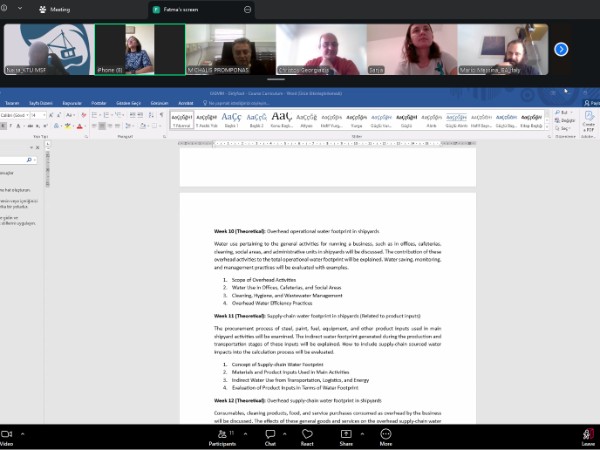
We recently hosted two pivotal coordination meetings for the ERASMUS+ DIRTYFOOT Project, marking a significant milestone in the development of a specialized curriculum for Water Footprint management in the maritime sector.
The week began with an intensive internal session led by Prof. Dr. Fatma Telli Karakoç. The KTÜ project team, composed of 12 distinguished professors and researchers from 4 departments in the Faculty of Marine Sciences and the Institute of Marine Sciences and Technology, gathered to synchronize departmental contributions. The discussions focused on a holistic approach to water usage, categorizing "Blue," "Green," and "Grey" water footprints specifically within ship management, processing techniques, and shipyard operations.
A key outcome of the internal meeting was the decision to integrate "Best Practice" modules into every lesson, ensuring that students and industry stakeholders receive practical, actionable knowledge to reduce water consumption in real-world scenarios.
Following the internal sessions, the KTÜ team met virtually with the international consortium, including representatives from:
University of Zagreb (Croatia)
University of Crete - NHMC (Greece)
IEA (Italy)
The international meeting focused on the strategic implementation of the "DIRTYFOOT" curriculum across diverse European educational and legal frameworks. Recognizing that official curriculum changes can be time-consuming, the partners agreed on a "Train the Trainer" model and the organization of "Open Lessons" to ensure the project's findings reach the public and industry stakeholders immediately.
A major highlight of the discussion was the commitment to "Localization." While the core curriculum provides a scientific foundation, each partner country will develop specific content tailored to its national regulations and sectoral needs. This ensures that a shipyard in Turkey, a fishery in Croatia, or a maritime hub in Italy can apply the DIRTYFOOT methodology effectively.
The project is now entering a high-activity phase. The team has set a deadline for October 2026 to finalize the full 100-page localized manuals and curriculum materials. The next international coordination meeting is scheduled for early June, where the first draft of the training modules will be reviewed.
04 May 2026


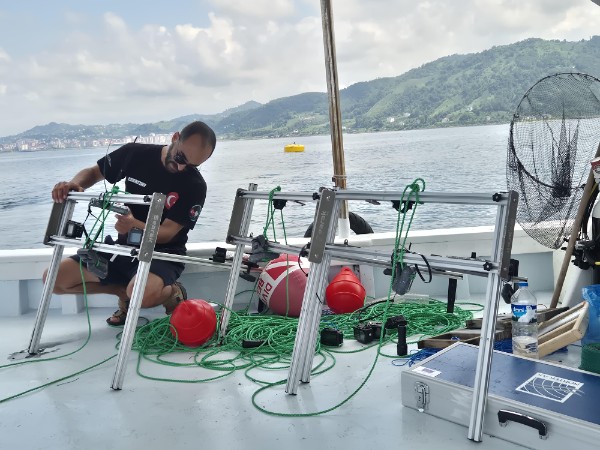
The WatchReefFish initiative has completed a targeted Baited Remote Underwater Video (BRUV) monitoring campaign off the coast of Çamburnu, Sürmene, Türkiye
10 August 2026
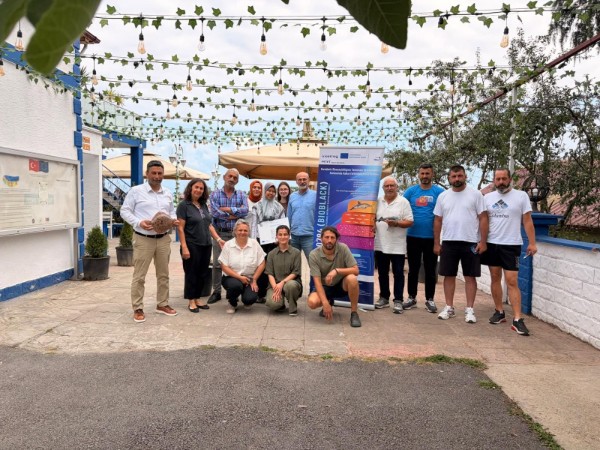
BIOBLACK project training with local stakeholders from the Yomra Fisheries Cooperative
20 July 2026
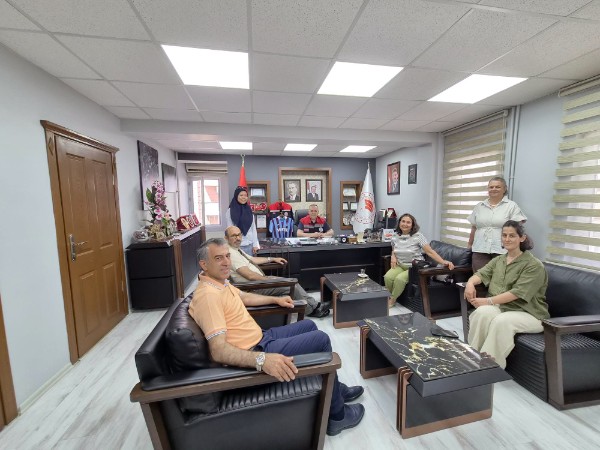
BIOBLACK project training with local stakeholders from the Trabzon Directorate of Provincial Agriculture and Forestry, Fisheries Department
13 July 2026
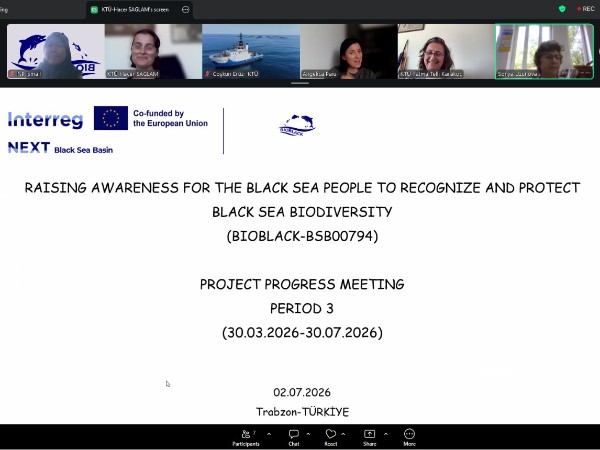
BIOBLACK partners review period 3 progress and develop a strategy for digital citizen science for Black Sea conservation
06 July 2026
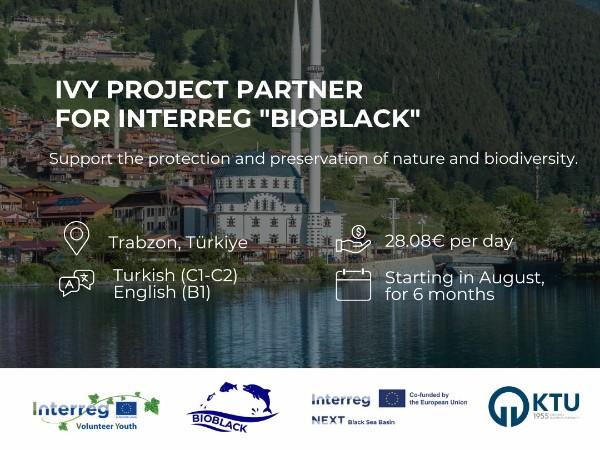
BIOBLACK project Interreg Volunteer Youth application here!
29 June 2026
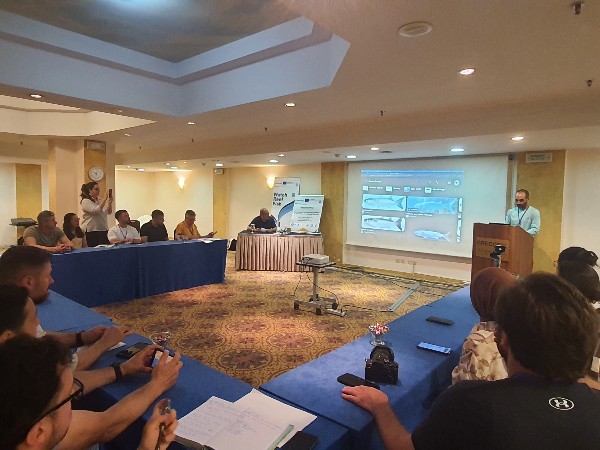
Within the scope of the WatchReefFish project, a six-day intensive training program was held in Alexandroupoli, Greece
29 June 2026
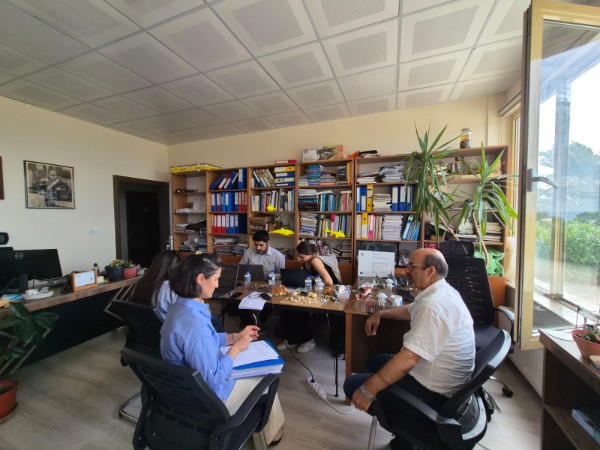
BIOBLACK Project (BSB00794): JTS Audit and Implementation Review
27 July 2026
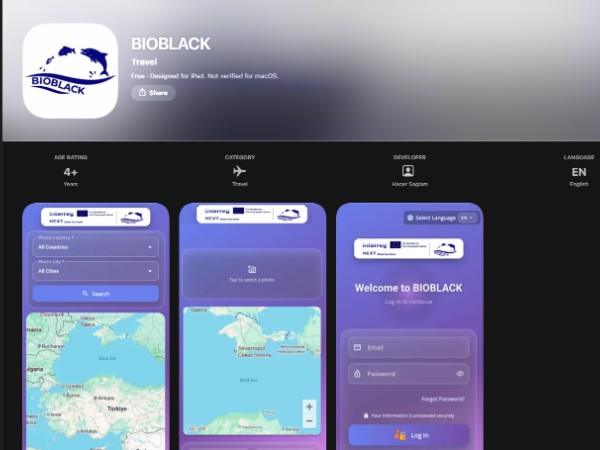
The citizen science mobile app developed as part of the BIOBLACK project is NOW available to both iOS and Android users
22 June 2026
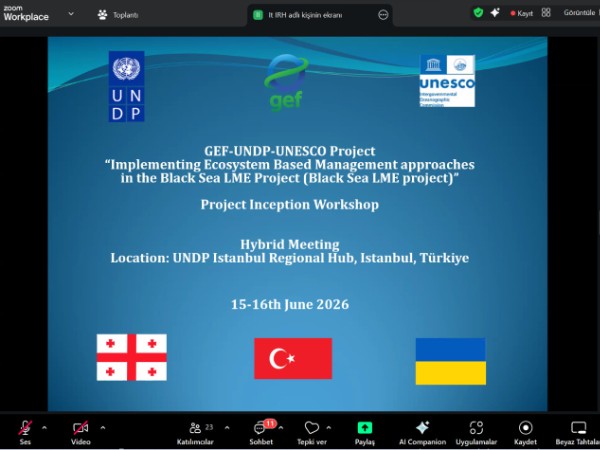
Prof.Dr. Coşkun ERÜZ and Prof.Dr. Hacer SAĞLAM, as experts, joined a project kick-off meeting
15 June 2026
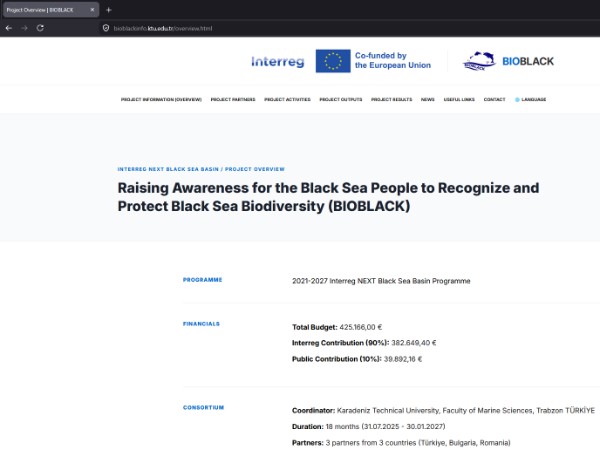
Please visit our dedicated official page for the BIOBLACK project
08 June 2026
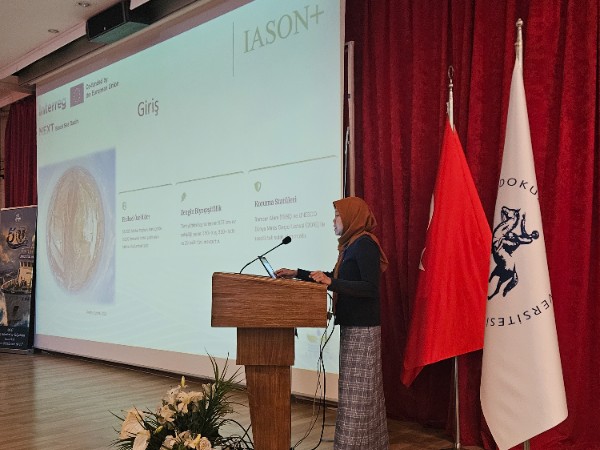
IASON+ project preliminary results presented at the National Conference on Marine Science in İzmir, Türkiye
01 June 2026
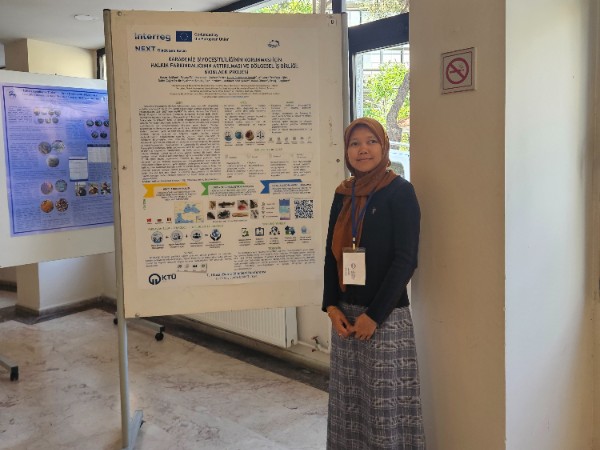
The BIOBLACK Project has been introduced to the Turkish national researcher community in the 7th Turkish National Conference on Marine Sciences
25 May 2026